Credentials & Clinical Background
- Licensed Mental Health Counselor (LMHC) – Florida
- Clinical experience across outpatient, telehealth, and specialty settings
- Neurodiversity & Assessment Specialist supporting neuroaffirming assessment practices and clinician training
- Specialized focus in autism, ADHD, masking, sensory needs, trauma overlap, and complex presentations
- Certified in AutPlay Therapy and Geek Therapy
- TMS Therapy Certified through BrainsWay and Neurostar
- Published author and community impact award recipient
What I Train On
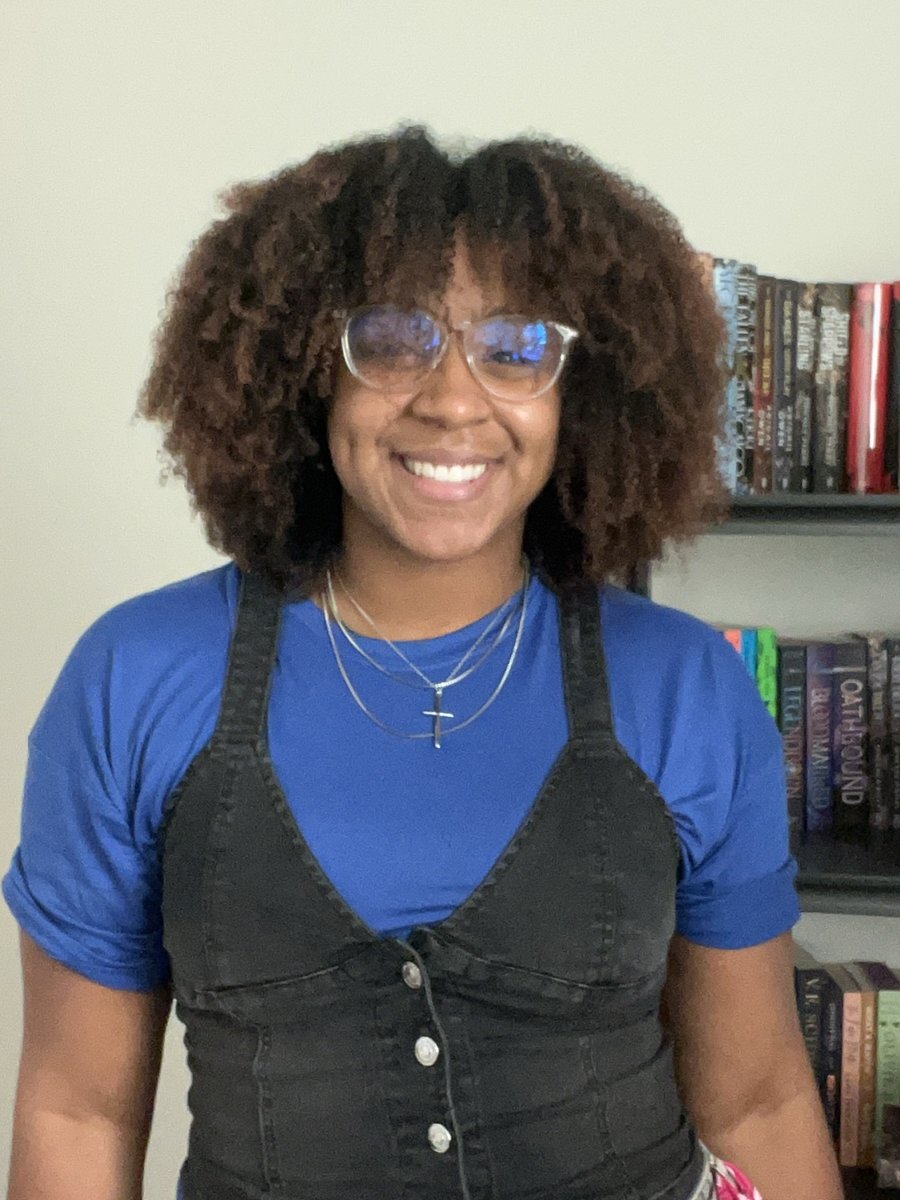
I'm Jaitesha "Jai" Hanson: licensed mental health counselor, neurodiversity specialist, educator, creator, and resident mad scientist. I built The Alchemist's Lab around a simple observation: the cases that don't fit anywhere aren't unsolvable. They just require a different kind of looking.
My work centers on complex neurodivergent presentations, specifically the ones where standard approaches have already been tried and something keeps not fitting. High-masking clients. Diagnostic overlaps. Cases where the therapist has done everything right and the case still isn't moving.
Pattern recognition is the foundation of everything I do. Not just "what diagnosis does this match," but what underlying system of processing, regulation, and lived experience is producing this particular presentation, in this particular person.
That way of looking travels. In consultation, it's clinician-to-clinician, and your client stays with you. In workshops, it's games, frameworks, and pop culture used on purpose. With organizations, it's the intake form, the assessment, or the workflow that quietly wasn't built with neurodivergent brains in mind.
Clarity creates the shift. Not force.
Many clinicians feel stuck not because the work isn't being done, but because the underlying patterns haven't been clearly identified. Clarity is what lets the work finally move.
Outside the Lab
I’m also neurodivergent — ADHD and autistic — which means I don’t just study these systems. I live them.
Growing up, I struggled to find support that truly understood how my brain worked. Not because clinicians didn’t care, but because our training systems were not built with neurodivergence in mind. That lived experience shaped why this work exists.
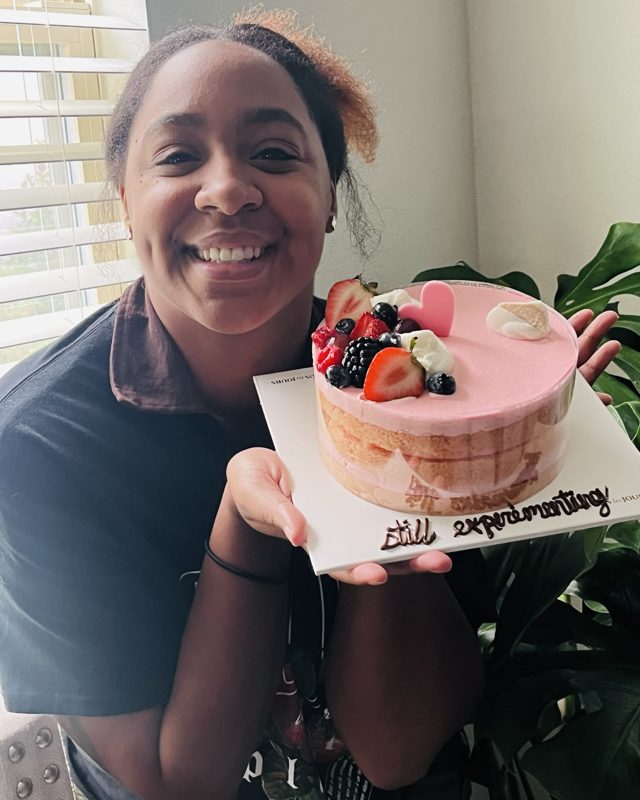
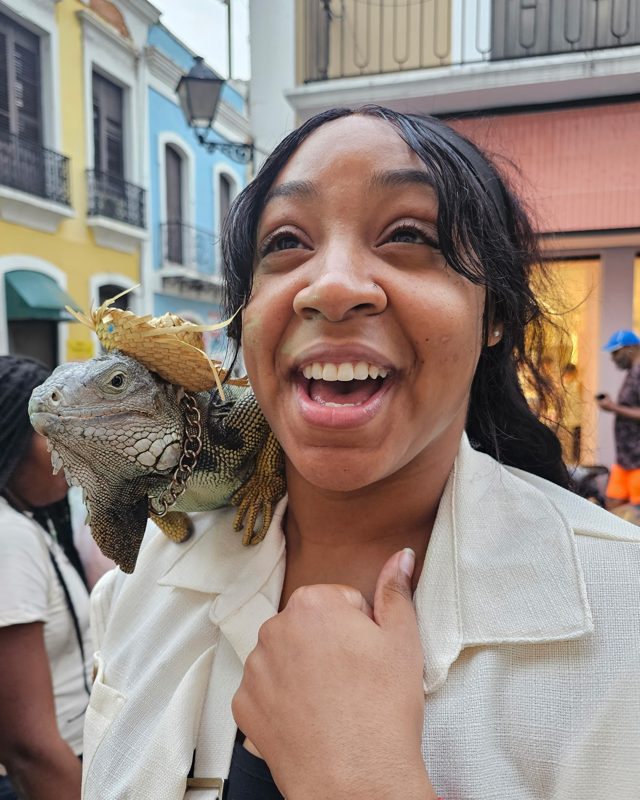
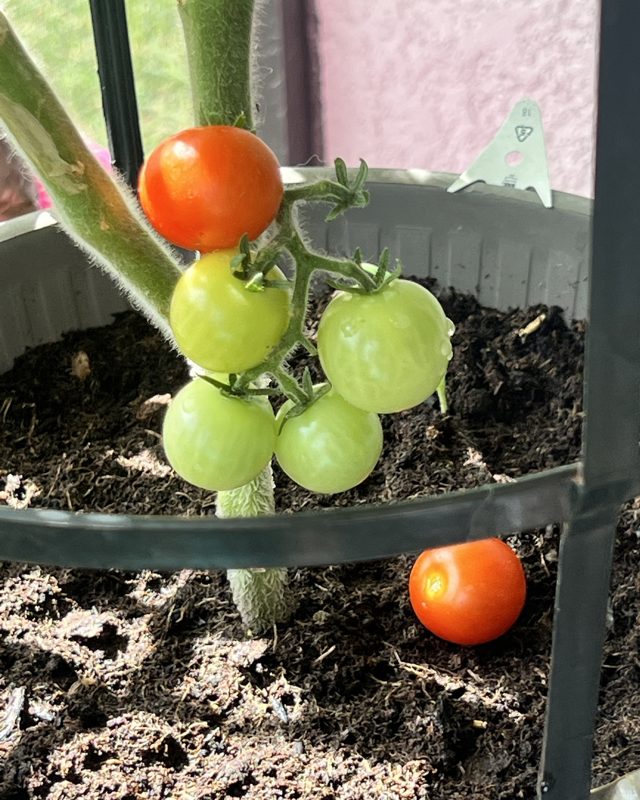
Outside of clinical work, I’m usually creating, gaming, gardening, spending time in nature, or building ideas into real systems. Experiment. Create. Transform is not just a tagline. It is pretty much how my brain organizes the world.